

What is Zinc Oxide?
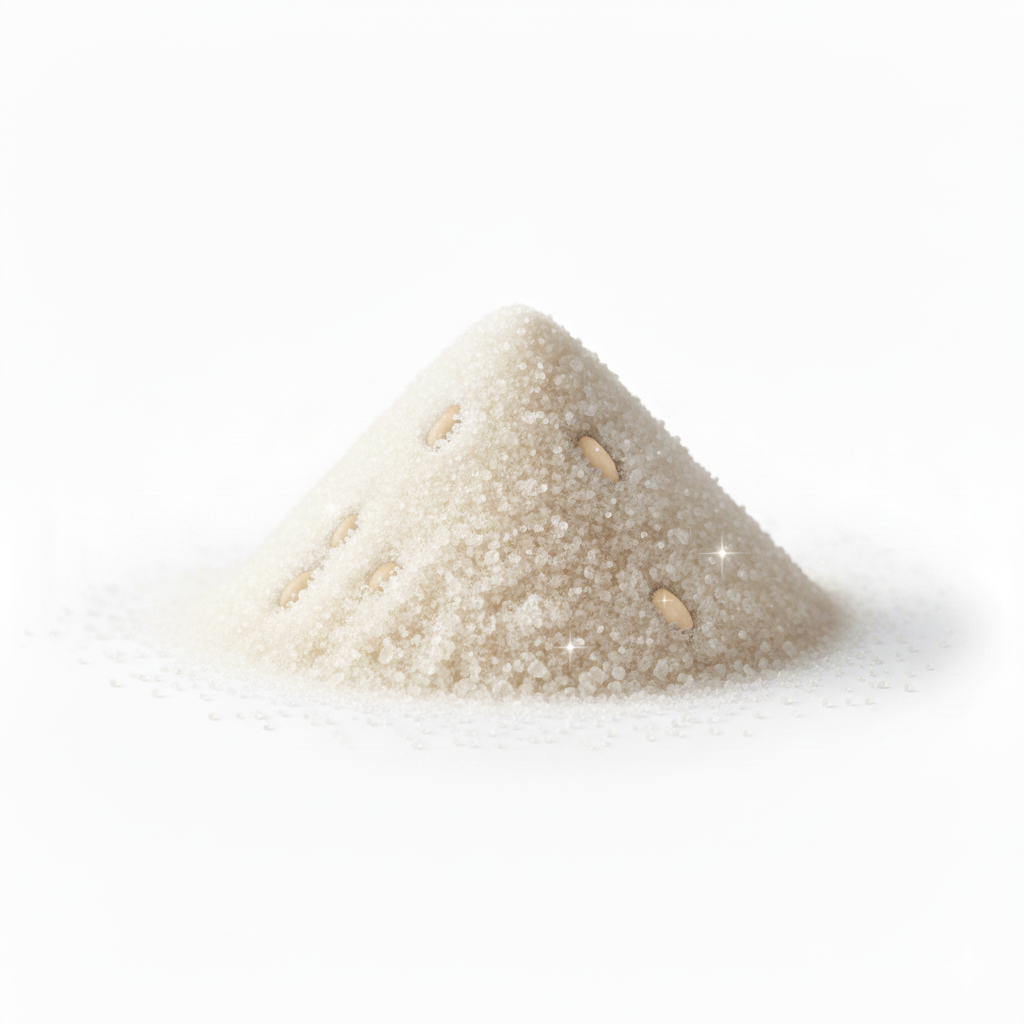
Zinc Oxide (ZnO) is an inert, white, mineral powder used in skincare for its skin-protecting and soothing properties. In EU cosmetics it’s also an approved UV filter (up to 25%) — though unless you test and label SPF, treat it as a comfort-and-protection ingredient, not a sunscreen claim.EUR-Lex
Key Skin Benefits (with evidence)
1) Soothes irritated skin
Human data show topical ZnO can attenuate visible redness around small standardized wounds versus placebo (randomized, double-blind design). Mechanistically, bioactive Zn²⁺ ions have anti-inflammatory/“anti-phlogistic” effects in skin. Translation for everyday care: ZnO is a calm, comforting add-in for stressed skin.PMC
2) Creates a protective, moisture-shielding barrier
Healthcare guidance for nappy rash consistently recommends barrier creams that contain zinc oxide to protect skin from wetness and friction — a simple, effective strategy for delicate areas. Paediatric hospital guidance even notes that higher-strength ZnO (e.g., ~40%) can help when milder barriers aren’t enough.nhs.ukRoyal Children's Hospital
3) Supports barrier recovery (TEWL improvement in use)
In a pediatric study of irritant diaper dermatitis, an ointment containing zinc oxide + dexpanthenol reduced transepidermal water loss (TEWL) more than base alone by day 3, indicating better barrier function during recovery. (Multi-ingredient, but aligns with ZnO’s role as a skin protectant.)PubMed
4) Helps keep problem bacteria in check (deodorant-area data)
A randomized, double-blind study found ZnO reduced Corynebacterium (odour-associated bacteria) and lowered self-perceived malodour in the underarm. While not the same as diaper care, it supports ZnO’s gentle antimicrobial contribution to calm, comfortable skin.PMC
Safety & Regulatory Notes (EU/UK focus)
- EU UV-filter status:Non-nano and nano ZnO are permitted up to 25% as UV filters in cosmetics, except in applications that may lead to lung exposure by inhalation (e.g., sprays/aerosols). In a cream/balm, this restriction isn’t triggered.EUR-Lex
- Nano labelling: If a formula uses nano-sized ZnO, EU law requires “Zinc Oxide [nano]” in the INCI list (Article 19). If you use non-nano grades, list simply Zinc Oxide.Internal Market & SMEs
- Sprays/aerosols: EU safety opinions state ZnO nanoparticles in sprays can’t be considered safe due to inhalation risks; again, not relevant to a leave-on cream.European Commission
- Everyday skin protectant: In the US, ZnO is recognized in the OTC monograph as a skin protectant (incl. diaper rash) at specific ranges — useful background confirming its long clinical history.FDA Access DataDailyMed
Natural Nine positioning: We use cosmetic-grade ZnO in a leave-on cream, not a spray. It’s there to soothe, shield from wetness/friction, and support barrier comfort — especially for sensitive, nappy-area skin.
How Zinc Oxide Works in Natural Nine
- Forms a gentle shield: ZnO sits on the surface to seal out excess moisture and reduce friction.
- Plays well with our base: Beeswax adds a breathable film, shea and oils soften, arrowroot cuts greasiness — together delivering a newborn-gentle feel that calms easily upset skin.
FAQs
Question
Is Zinc Oxide safe for newborns?
Answer
Question
Do you use nano zinc oxide?
Answer
Question
Does Zinc Oxide heal wounds?
Answer
References
EU regulation
ZnO (non-nano & nano) authorized as UV filter up to 25%, except inhalable uses.EUR-LexSCCS/nano safety
Spray applications with nano-ZnO not considered safe (inhalation).European CommissionNano labelling rule
Nanomaterials must be shown as [nano] in the EU INCI list.Internal Market & SMEsNappy rash care (UK)
NHS guidance on barrier creams; pediatric hospital guidance endorses zinc-containing barriers, with higher strengths useful in tougher cases.nhs.ukRoyal Children's HospitalBarrier/TEWL evidence
ZnO + dexpanthenol ointment reduced TEWL vs base in pediatric irritant diaper dermatitis.PubMedAnti-inflammatory context
Human RCT showed reduced erythema around small wounds with ZnO vs placebo.PMCMicrobiome/odour
RCT — ZnO reduced Corynebacterium colonization and lowered malodour in axilla.PMCUS background (skin protectant)